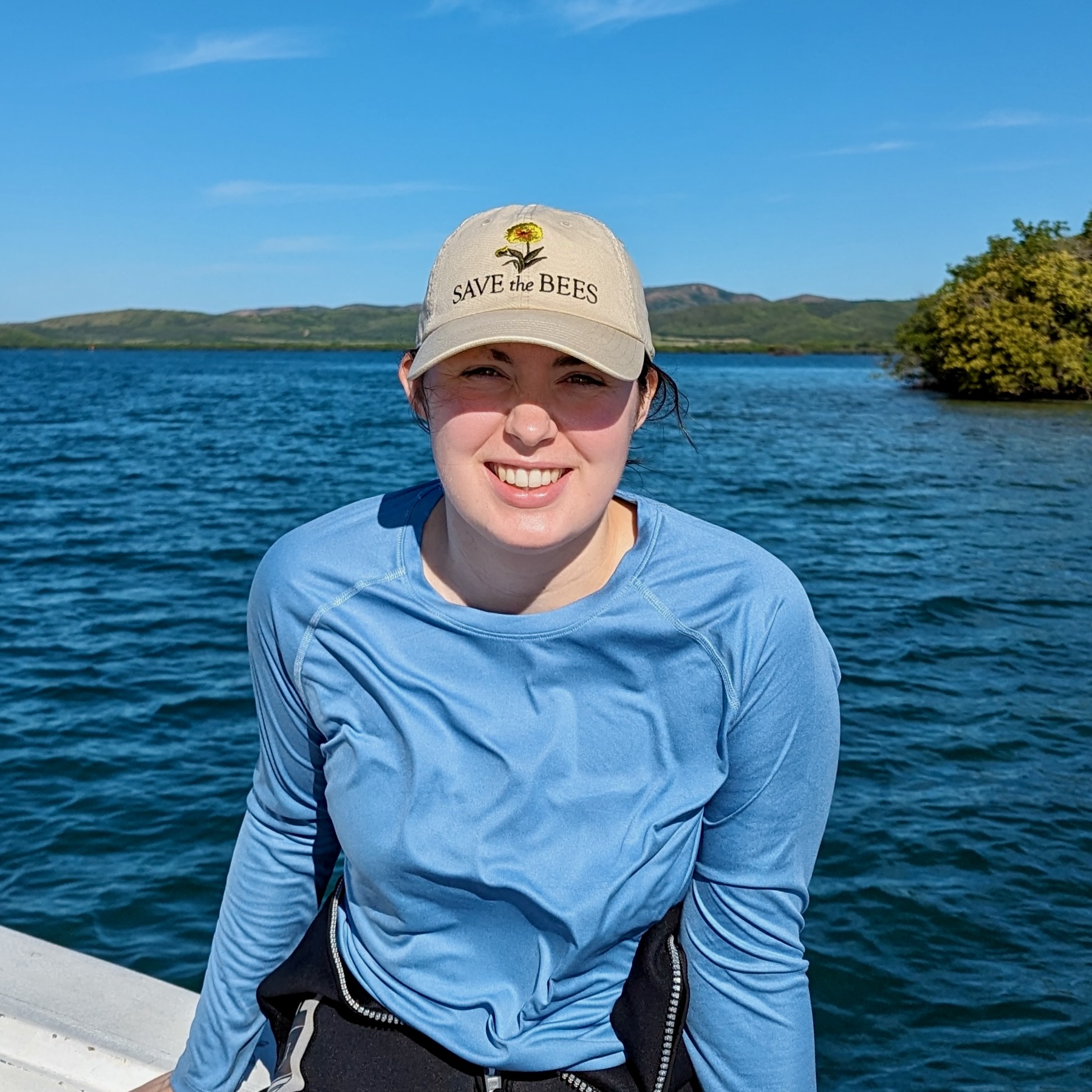
Claire Bailey
BS in Integrative Organismal Biology from Auburn University
Claire is a current PhD candidate at NJIT in the Barden lab. She is broadly interested in ecology, evolution, and behavior, with a focus on eusocial organisms. She has previously worked on three-dimensional honey bee nest architecture, and she is currently studying the only marine example of eusociality found in the Synalpheus genus of snapping shrimp. Ultimately, she is focused on the intersection of morphology, behavior, and evolution and hopes to investigate how these features influence the ecology and extinction of eusocial animals.
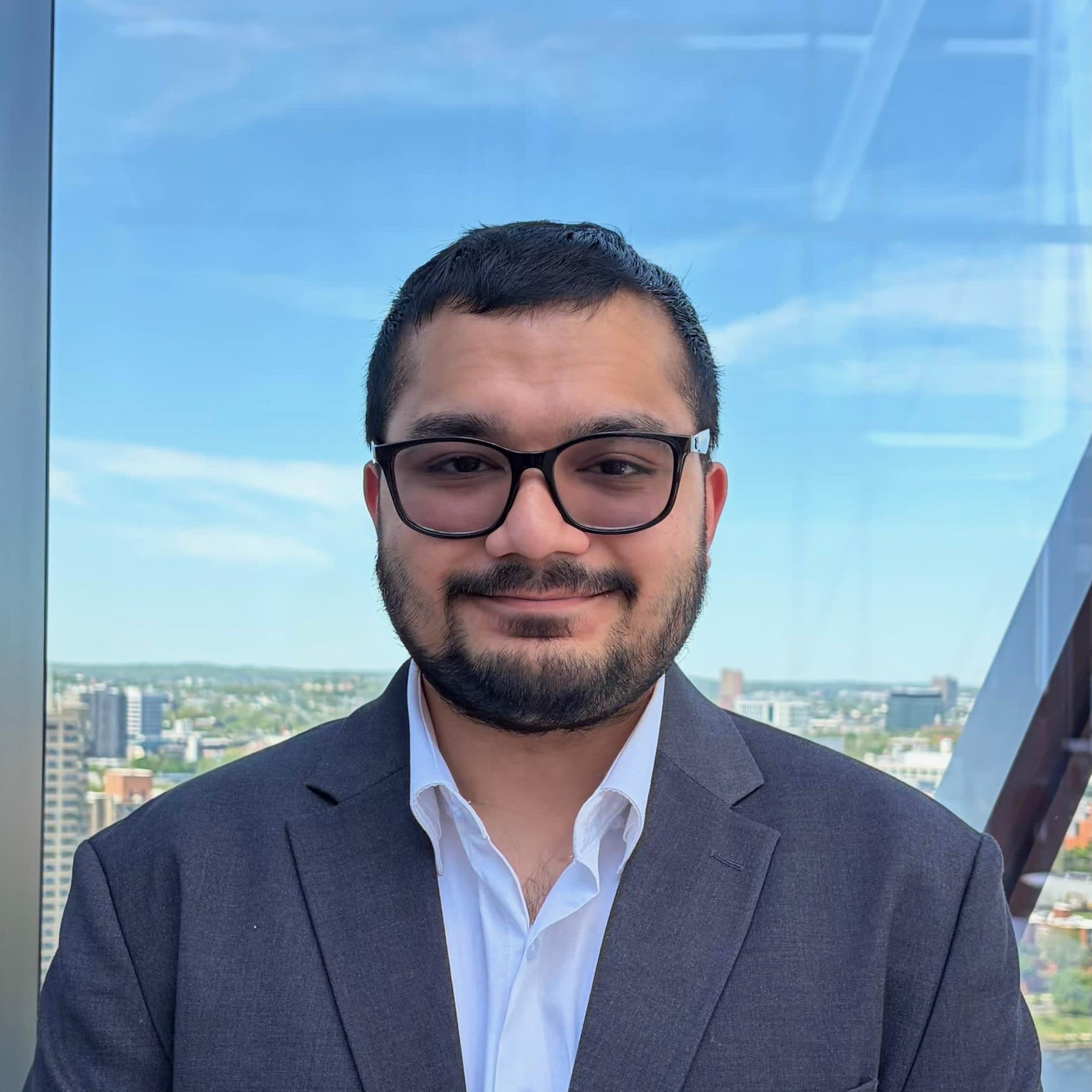
Sanniddhya Bardhan
BTech in Medical Biotechnology from Dr. DY Patil University, India; MS in Bioinformatics from Johns Hopkins University
Sanniddhya is a PhD candidate in Biology at NJIT. His main fields of interest are in Drosophila neurobiology, multi-omics data integration and computational biology. Prior to joining NJIT, he worked on bulk and single-cell RNA sequencing to study gene expression and immune cell states and performed Molecular Docking and Dynamics simulations for proteomic and metabolomic analysis.
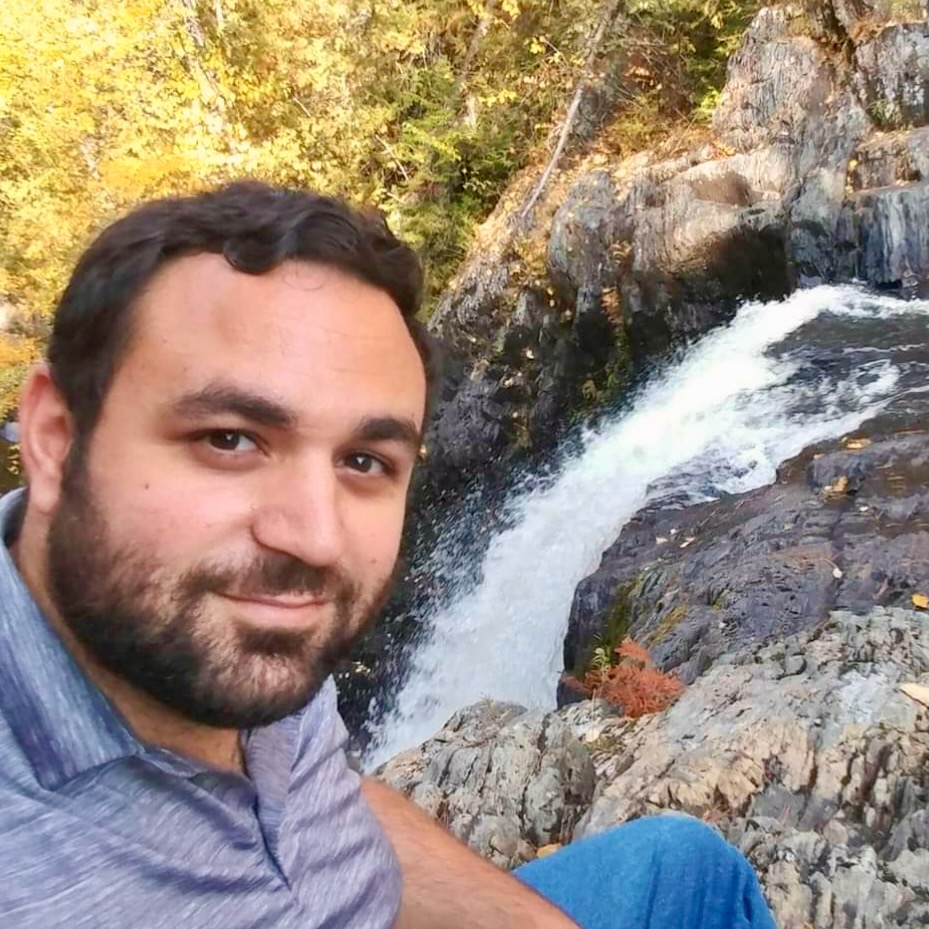
William J. Botta
MS in Marine Science from the University of New England; BS in Marine Biology from the University of Rhode Island
William is a PhD student in Biology with a concentration in Ecology and Evolution. He is currently studying neurobiological factors influencing mass swimming behavior in zebrafish in the Swarm lab and the Severi Lab. His main research interests are in animal social behavior and decision making, with special interests in manta rays, coral reefs, and the deep sea.
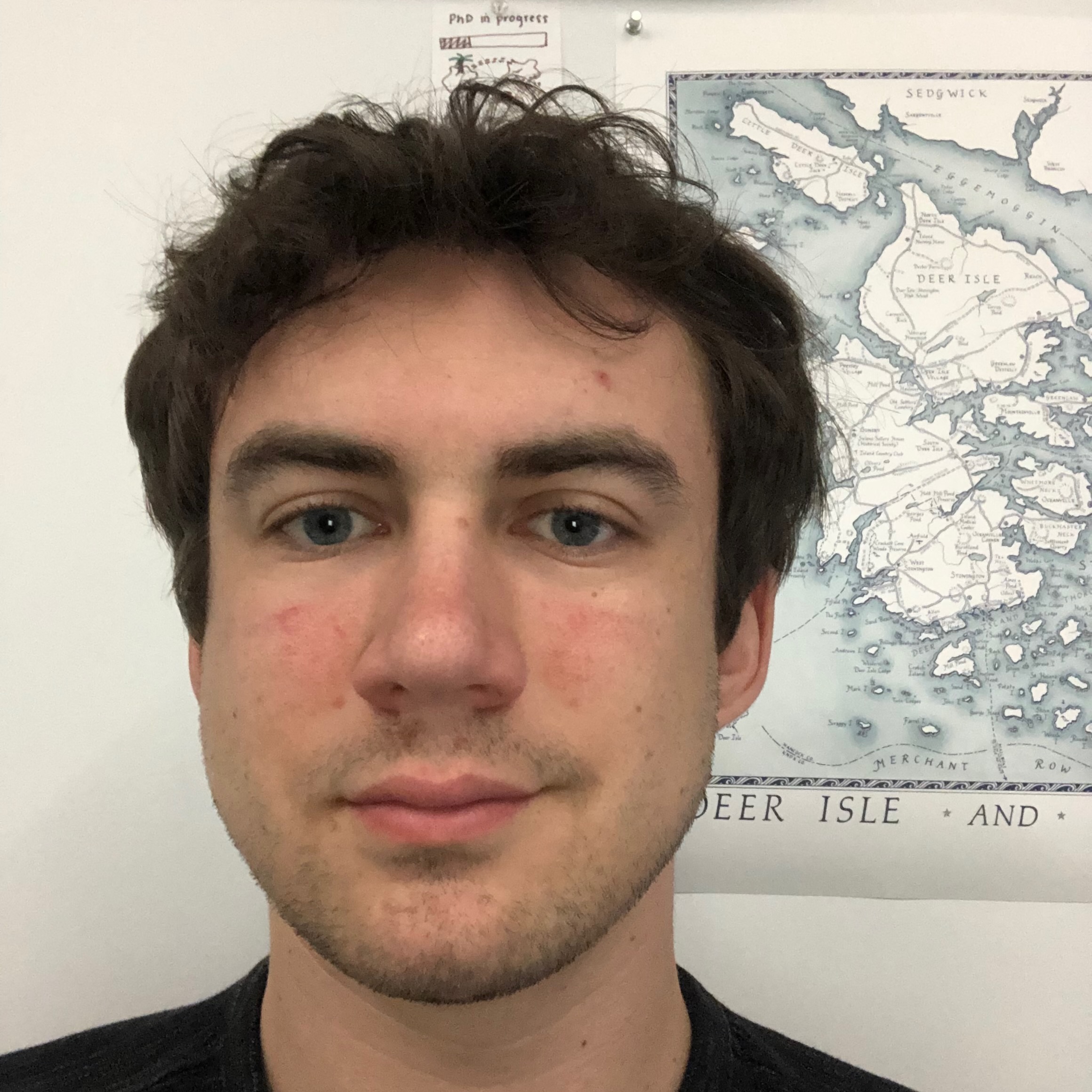
Grant Bowers
BS in Biological Sciences from the University of Maryland; MS in Biology from Old Dominion University
Grant is a PhD candidate under Dr. Gareth Russell, studying the mammal and bird communities on the nearshore islands of Maine. This includes modeling the presence or absence of species based on island characteristics, quantifying the effects of squirrel presence on breeding bird density, and looking at the health of deer living on the different islands.
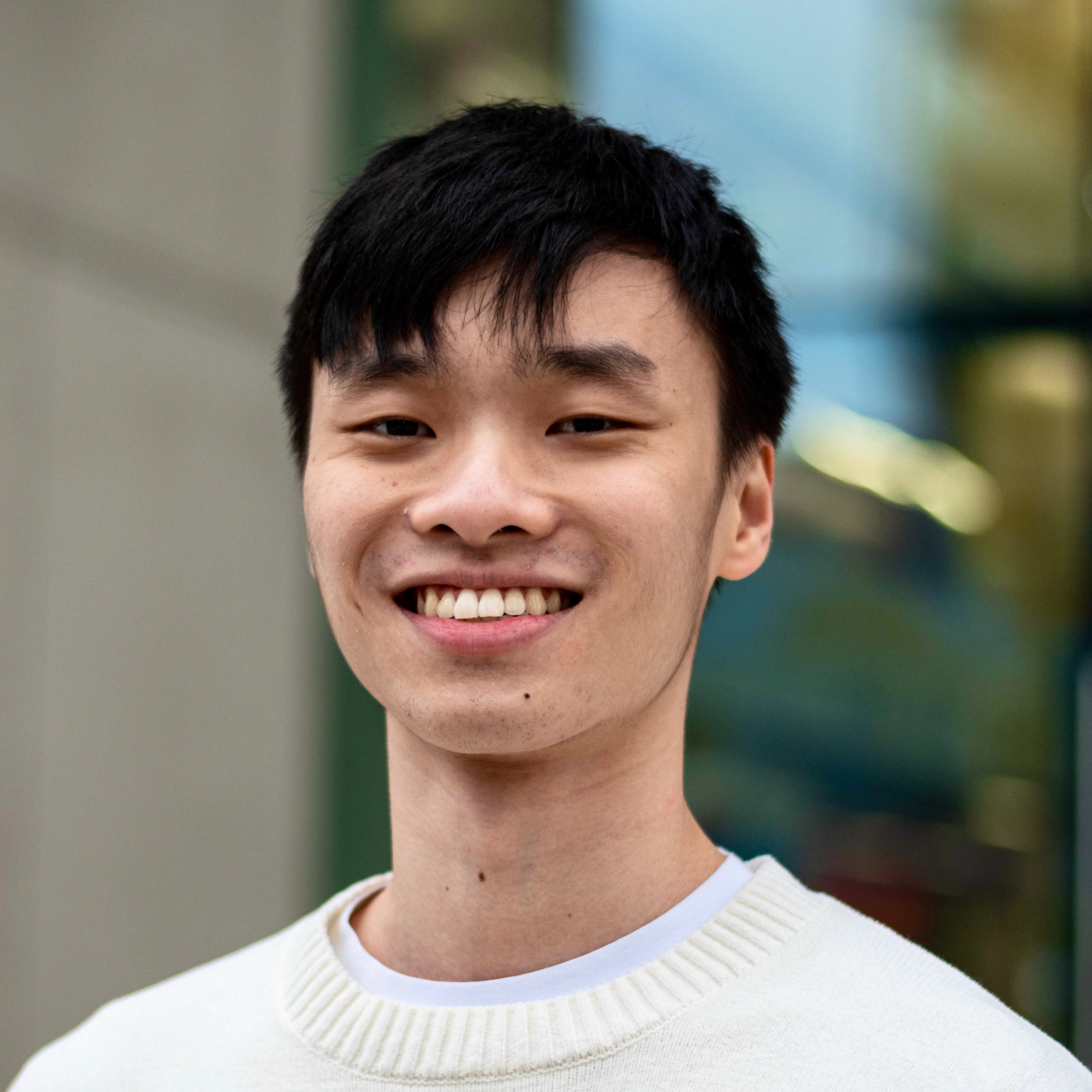
Paco C. K. Chow
MS in Machine Learning from University College London; BA in Neuroscience from the University of Oxford
Paco is interested in blending biological and computational approaches to better understand how groups of animals make decisions together. He is currently focused on using dynamical systems theory to uncover shared principles across collective decision-making models of cockroaches, ants, and honeybees.
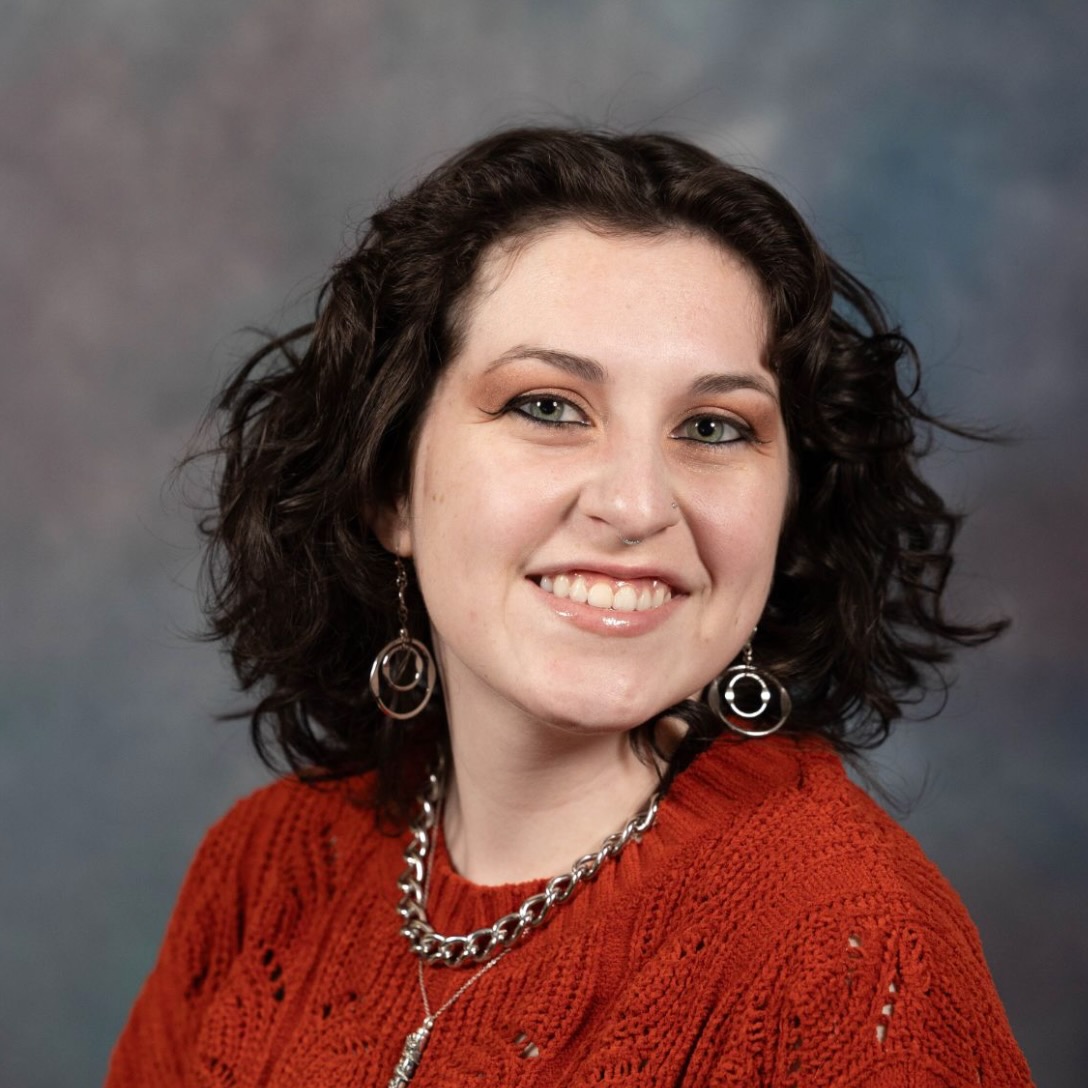
Colleen Duffy
BS in Neuroscience & Chemistry from Dickinson College
Colleen is a new PhD student in Biology with a concentration in Neuroscience. Alongside neurobiology, her multidisciplinary interests include biophysics, inorganic and physical chemistry, and philosophy. Her research experience prior to joining NJIT includes chemical analysis of heavy metal leaching from ceramic glaze materials, and the ethics of widely available neuromodulatory devices such as tDCS. She is currently training in the STG lab of Neuron and Circuit Dynamics, planning to research neuromodulatory mechanisms through electrophysiology.
Catherine Eno
BS in Marine Biology; BS in Ocean Engineering
Cat is interested in functional morphology and hydrodynamics of marine fishes. She currently is studying fish who use a sucker disc to attach to various substrates, remoras and snailfish. She aims to apply her research to improve invasive tagging practices for marine life.
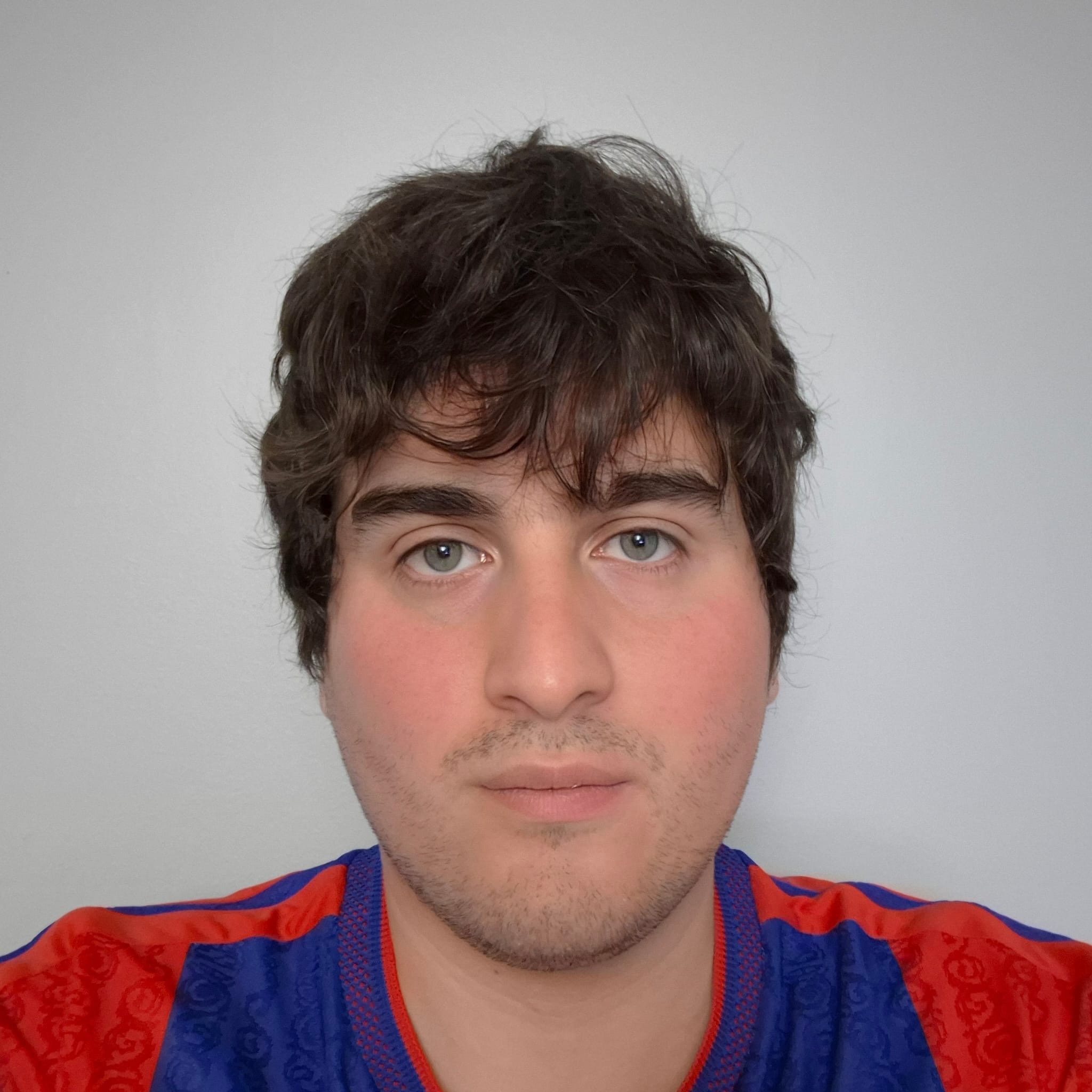
Isidro Gauto
Licenciatura (BS) in Physics from the University of Buenos Aires
Isidro is interested in computational neuroscience and nonlinear dynamics, focusing on the mathematical modeling of neural systems. He works on a model of the Cortex-Striatal-Thalamic-Cortex circuit in the context of Parkinson’s Disease and models that relate the activity of the Cerebellum and dopaminergic neurons.
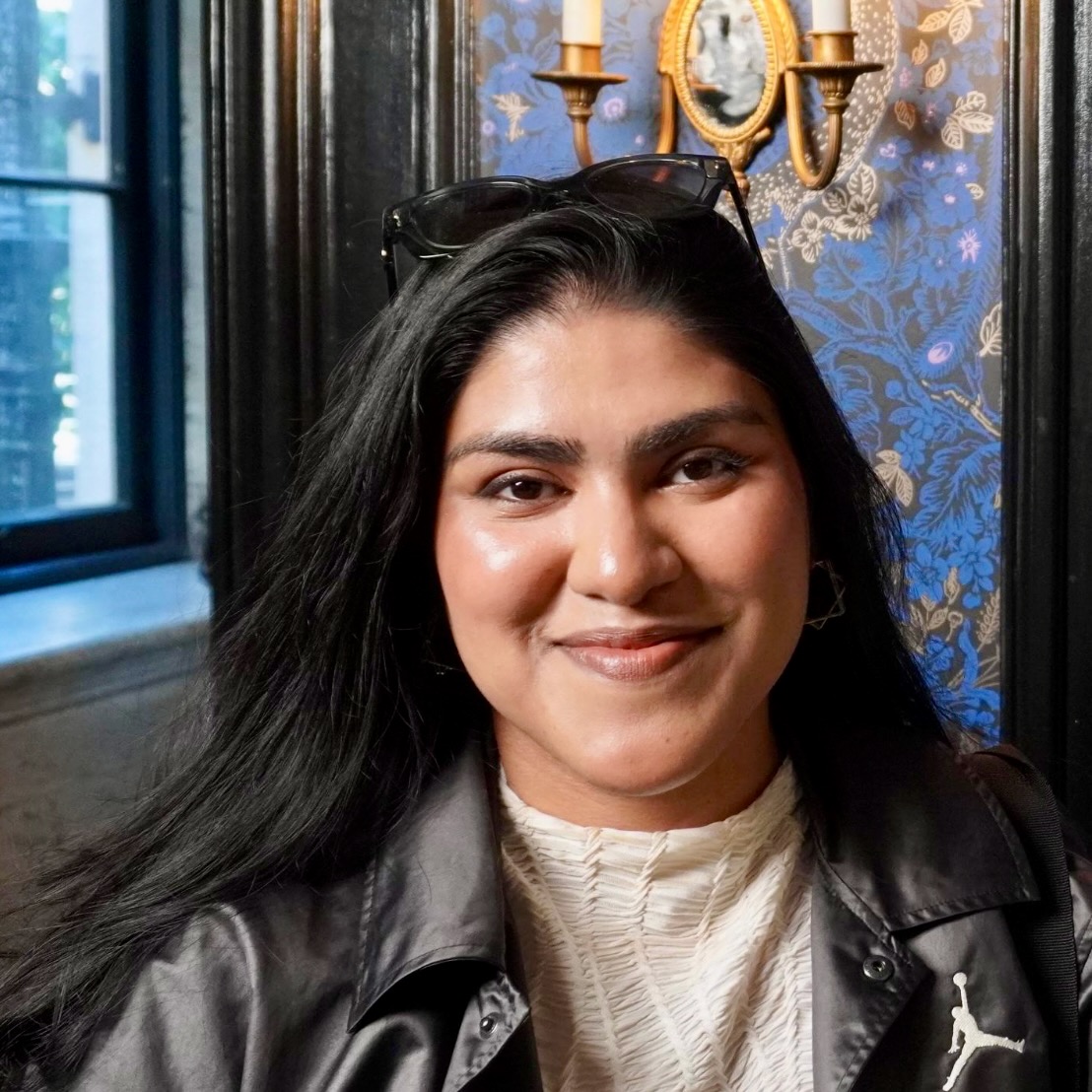
Alifia Ibkar
BSc in Geology from Aligarh Muslim University, India; MSc in Applied Geology from Presidency University, West Bengal, India
Alifia Ibkar is a Ph.D. candidate working with Dr. Xiaonan Tai in the Ecohydrology Lab. Her research focuses on ecohydrology and spatial ecology, with particular interest in how groundwater availability influences forest resilience to wildfire and other disturbances. She uses remote sensing, GIS, spatial analysis, and ecohydrological modeling to study post-fire vegetation recovery, wetland–upland interactions, and the effects of climate, topography, vegetation type, and prior disturbance. Her current research focuses on mixed-conifer forests in Wyoming’s Medicine Bow National Forest, where she investigates whether groundwater-supported ecosystems can act as hydrologic refugia and enhance ecosystem resilience under increasing wildfire and climate stress.
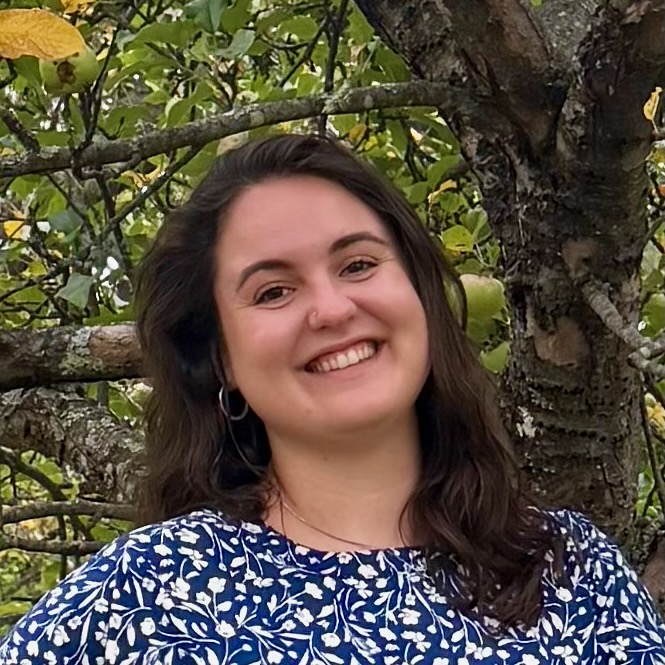
Aynsley Kretschmar
MA in Climate and Society from Columbia University; BA in Biological Sciences and Environmental Studies from Wellesley College.
Aynsley is a new PhD student in Biology with a concentration in Ecology and Evolution. Her interests include ecohydrology, climate change, forest management, and their relation to forest productivity and mortality. She is currently studying how spatial granularity in modeling meteorological inputs impacts modeled forest ecosystem water budgets and tree stress. Her research experience prior to joining NJIT includes investigating forest productivity response to temperature in a boreal forest in Central Alaska.
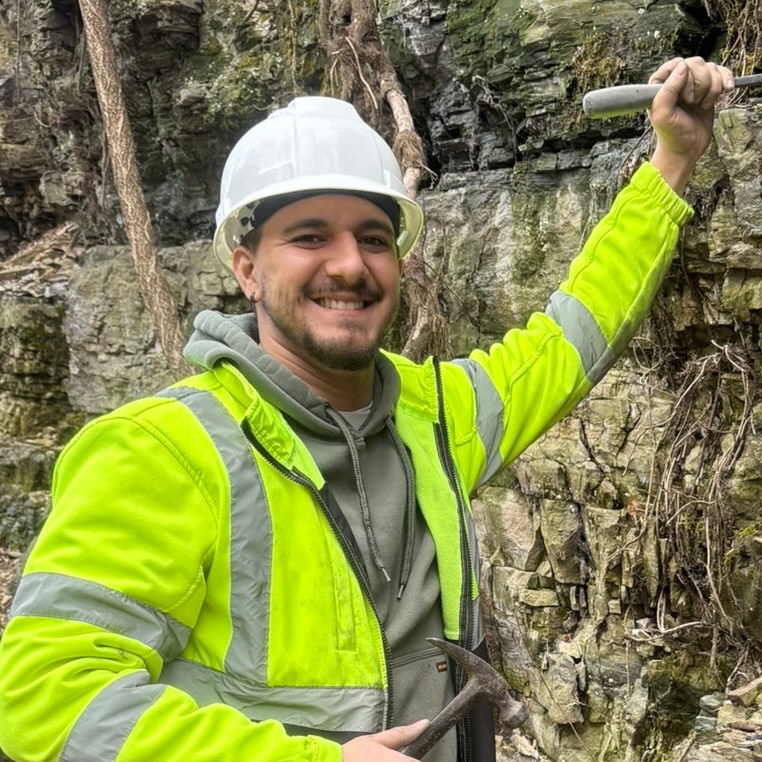
Andre Pugliese
MS in Biotechnology (Bioinformatics) from the University of Maryland Global Campus; BS in Computer Science from the New Jersey Institute of Technology
Andre is a PhD student in the Barden Lab at NJIT and is interested in paleontology, evolutionary biology, and ecology. He is currently studying organisms trapped in fossilized amber resin to better understand ancient ecosystems and to contextualize the origin of past and present biodiversity. His previous work has incorporated machine learning methods to visually resolve species-level differences amongst fossil lineages that have fine morphological gradients.
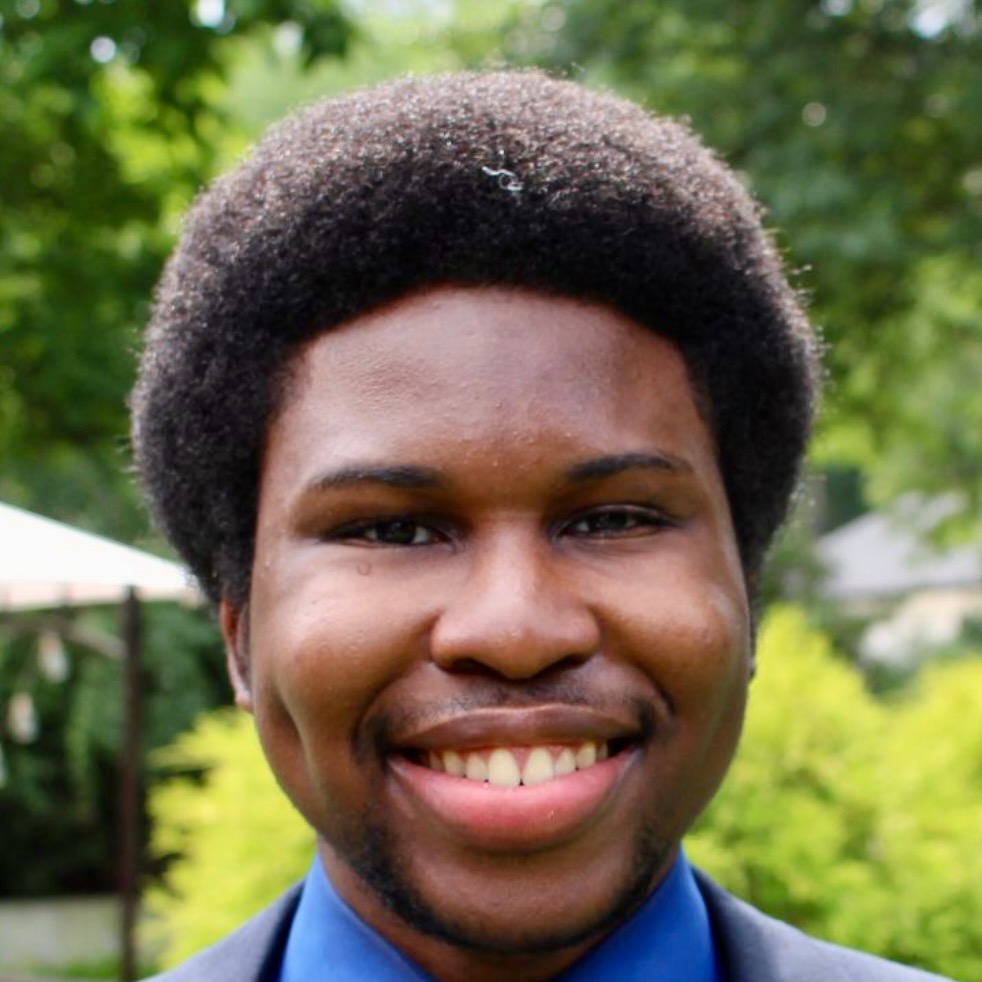
Isaiah O. Rejouis
BA in Biology from the New Jersey Institute of Technology
Isaiah’s interests include ecohydrology, groundwater, and how it relates to drought-induced mortality. This includes remote sensing data analysis and simulation-based approaches. His current focus is on analyzing drought in the Amazon rainforest, and how hydrological gradients influence & mediate forest responses to drought.
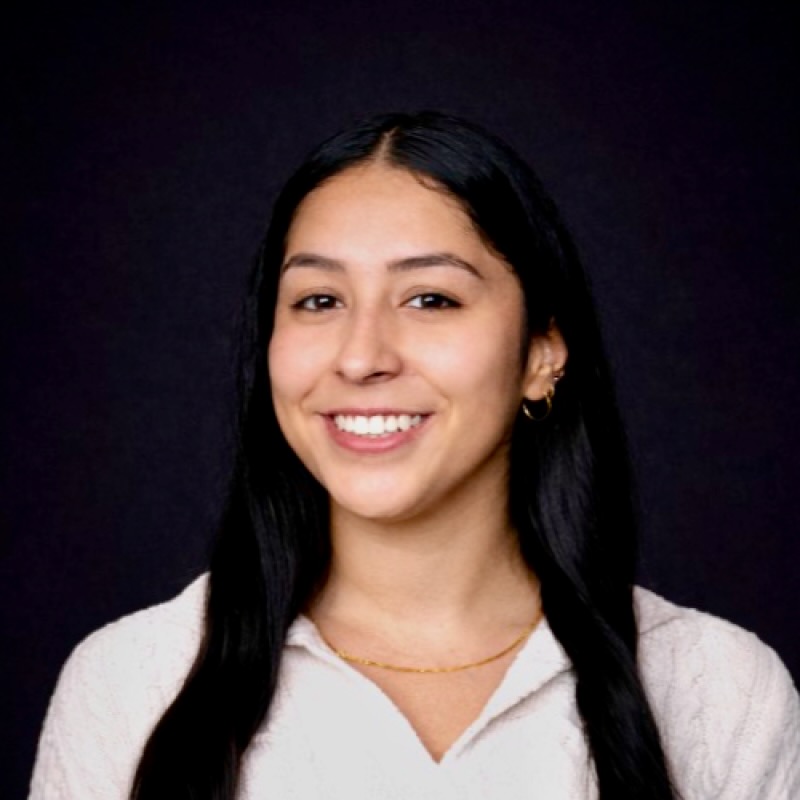
Danna V. Sanchez Hernandez
BS in Biomedical Engineering
Danna studies animal biomechanics and fluid dynamics, with a focus on how flying fishes taxi across the water’s surface and glide through the air. Using micro-CT scanning, high-speed video, and 3D modeling, she investigates how their morphology generates the forces that let them leave the water and stay airborne. This work grows out of a broader curiosity about how animals move through their environments, and how those movements can inspire new approaches in engineering.
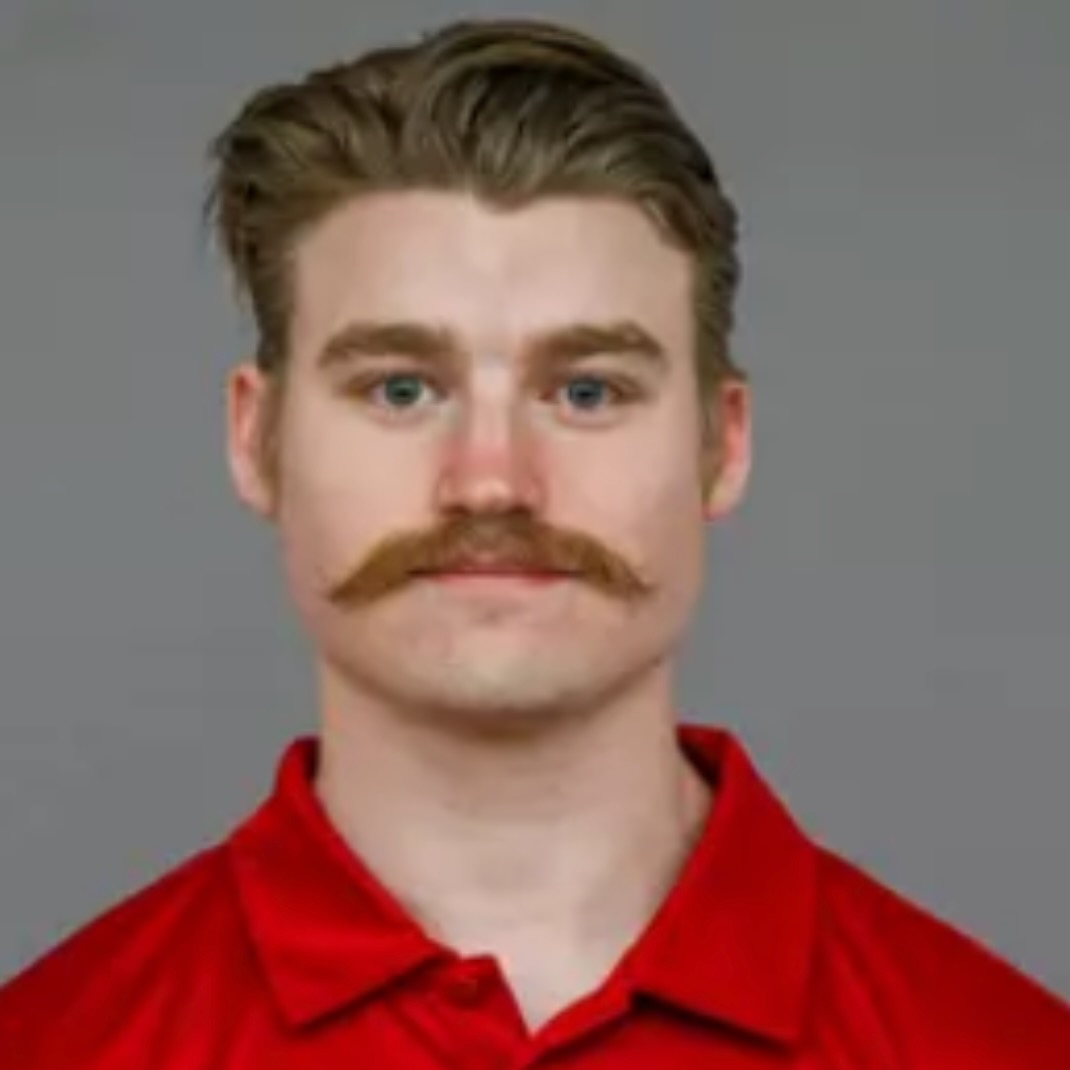
Joshua G. Schreibeis
BS in Biology from Robert Morris University; MS in Bioinformatics from New Jersey Institute of Technology
Josh is a PhD candidate in Biology with a concentration in neuroscience. Prior to joining the PhD track Josh had earned his M.S. degree in bioinformatics from NJIT. He continued to follow his research interest which led him to join Professor Rostein’s lab. Josh’s research interests are firmly rooted in the field of computational biology. He is passionate about exploring novel methodologies and machine learning algorithms to advance our understanding of complex biological systems, ultimately contributing to the development of innovative therapeutics.
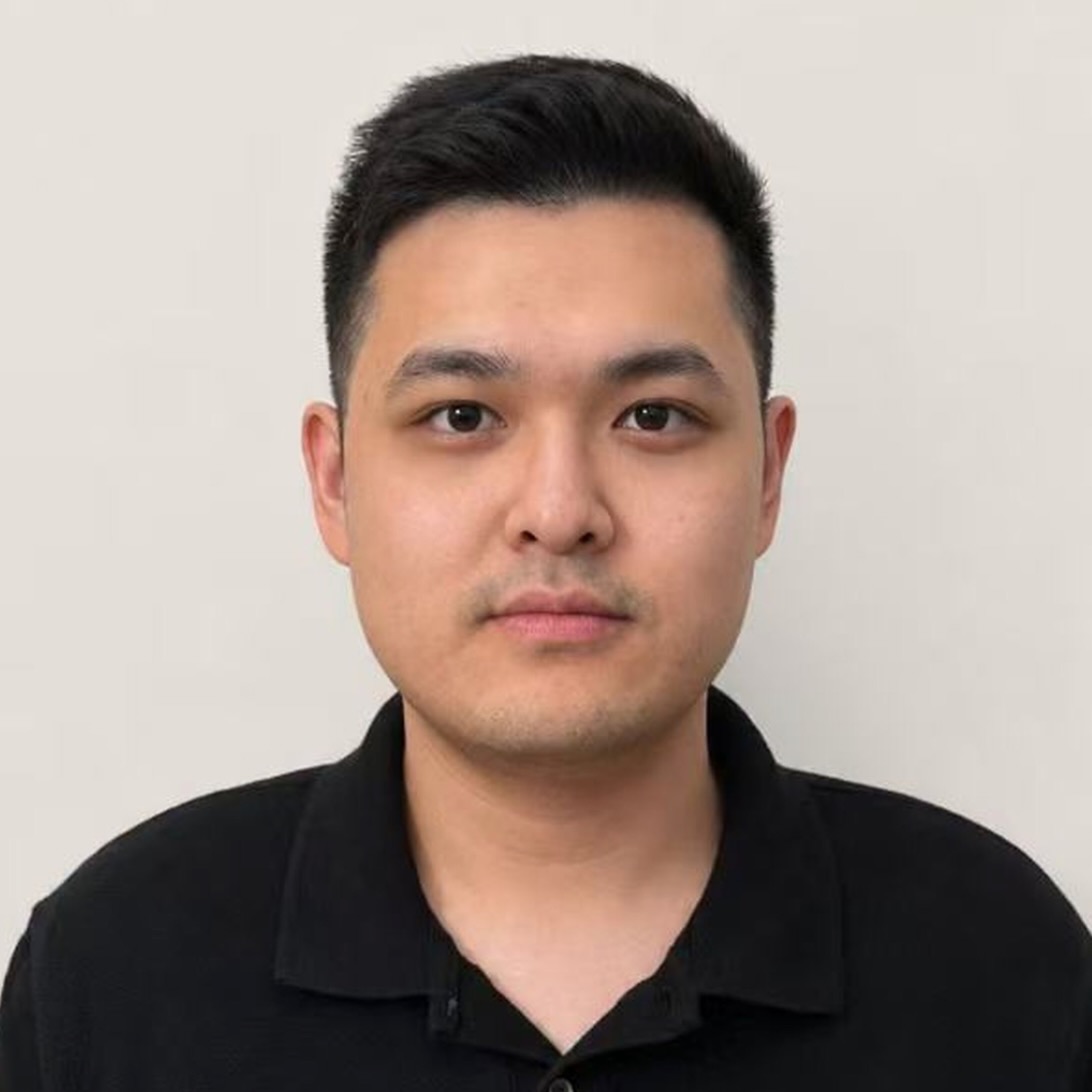
Yuchen Zhang
BS in Biology from Stony Brook University
Yuchen is a PhD candidate in the STG Lab under Dr. Farzan Nadim and Dr. Dirk Bucher, with research interests in electrophysiology and neural circuit dynamics. His work focuses on how neuromodulation influences animal-to-animal variability in neural outputs at both the cellular and circuit levels. Currently, he is investigating how individual and combined neuromodulators affect the variability of pacemaker neuron activity in the crustacean stomatogastric nervous system. His research integrates electrophysiological experiments with computational modeling to characterize these modulatory effects and identify the potential mechanisms that underlie them.